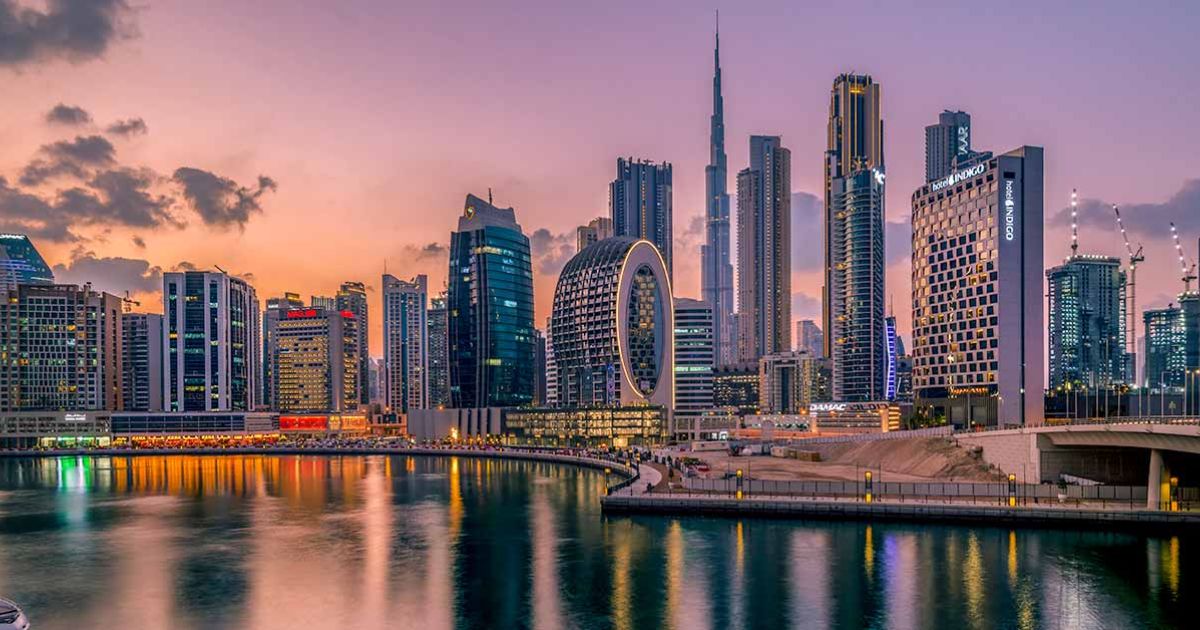
The real estate in UAE 2025 has long stood as a symbol of ambition, innovation, and enduring value. From the glittering skyscrapers of Dubai to the modern, sustainable developments of Abu Dhabi, the property market continues to captivate investors and homeowners alike. In real estate in UAE 2025, this fascination has turned into tangible growth — driven by record-breaking demand, rising prices, and a stable economic environment that outpaces global trends.
As the world grapples with economic uncertainty and fluctuating oil prices, the real estate in UAE remains a pillar of strength. Supported by forward-thinking policies, strategic diversification, and visionary leadership, the market has entered a new era of expansion. Both local and international investors are recognizing the UAE as a safe, profitable, and future-ready destination for real estate investment — where modern infrastructure, flexible regulations, and high returns converge to create unmatched opportunity.
Market Overview: A Year of Growth and Confidence
The real estate in UAE 2025 is witnessing extraordinary momentum. Dubai’s office real estate market, in particular, is seeing unprecedented demand. With limited supply in prime areas, rental rates are rising and occupancy levels remain nearly full. Assets Founder Properties — a leading name in UAE real estate — reports that this imbalance between supply and demand has created a landlord-favored market, reinforcing long-term confidence and strong yields for property owners.
Even as the International Monetary Fund revised global growth forecasts downward from 3.3% to 2.8%, the UAE’s performance remains steady. Thanks to economic diversification, global trade partnerships, and robust tourism, the real estate in UAE continues to attract new investors. The stability of the dirham, coupled with open investment laws, enhances the UAE’s reputation as a low-risk, high-return property market.
Government Policies Fueling Market Expansion
The growth of real estate in UAE isn’t a coincidence — it’s the result of deliberate and visionary government planning. One of the most transformative moves real estate in UAE 2025 has been the Dubai Executive Council’s Resolution No. 11, which allows free zone companies to conduct onshore business operations with the approval of the Dubai Economic Department (DET).
This reform aligns with Dubai’s ambitious goal to double its economy to AED 32 trillion within a decade. It’s also a game-changer for real estate in UAE, as it boosts corporate demand for office spaces and enhances investor flexibility. Combined with initiatives like the Golden Visa program, relaxed foreign ownership laws, and a growing push toward sustainable smart cities, the UAE continues to build a property market that is globally competitive and locally resilient.
Office Space Demand Outpacing Supply
The office segment of real estate in UAE has entered a high-demand phase. In Dubai, new office space deliveries for 2025 amount to around 100,000 square meters — yet most are already leased before completion. The city’s occupancy rate hovers at 94%, while rental prices have jumped by over 20% compared to last year.
Landlords are now negotiating from a position of strength, while businesses compete for premium office locations. Flexible workspace operators are also expanding rapidly, catering to startups, tech companies, and global enterprises seeking flexible leases.
In Abu Dhabi, the trend is equally strong. Fueled by substantial government investment in non-oil industries, the capital has recorded an average occupancy rate of 96% and a 13% rise in office rental prices. Prime districts such as Al Maryah Island and Corniche are seeing rent increases of up to 15%. Even though new lease signings are limited due to space shortages, the increase in renewals proves the long-term confidence in real estate in UAE.
Residential Sector: Rising Prices and Soaring Demand
The residential arm of real estate in UAE continues to shine as one of the region’s strongest investment opportunities. In Q1 2025 alone, Dubai introduced more than 25,000 new residential units — yet this has barely eased demand. With an influx of expatriates, digital nomads, and long-term residents, demand continues to exceed supply, pushing both sales and rents higher.
Average rental prices for apartments have surged by 11%, while villa rents have risen by 9%. Sales values have climbed 16% year-on-year, confirming that Dubai’s housing market remains one of the most profitable in the world.
According to Assets Founder Properties, there were 43,000 residential transactions in Dubai in the first quarter of 2025 — a 23% increase from the previous year. Off-plan sales grew by 33%, while completed properties saw a 5% rise. Off-plan sales totaled AED 79 billion, while ready properties added AED 36 billion, bringing total residential sales to AED 115 billion — a 29% year-on-year growth.
Abu Dhabi mirrors this trend. Completed property sales grew by 10%, while off-plan transactions slowed slightly, signaling a shift toward ready-to-move-in homes. End-users and investors now prioritize tangible, income-generating assets within real estate in UAE, especially those offering long-term rental stability.
Hospitality and Tourism Strengthening the Property Market
Tourism and hospitality continue to be strong drivers of real estate in UAE. Dubai and Abu Dhabi have both recorded steady growth in visitor numbers and hotel performance.
In Q1 2025, Dubai’s tourism arrivals grew by 4%, with average hotel occupancy rates at 82%. Abu Dhabi followed with rising revenue per available room (RevPAR) and a notable increase in overnight stays. This upward trend boosts demand for serviced apartments, branded residences, and mixed-use developments — all of which are becoming popular among high-net-worth investors and hospitality brands.
The real estate in UAE thrives on this synergy between tourism and property, as hotels and residences continue to merge into integrated lifestyle destinations, reflecting the nation’s focus on luxury, experience, and innovation.
Retail and Industrial Markets: Resilient and Expanding
Beyond residential and commercial real estate, the real estate in UAE is also seeing robust performance in the retail and industrial sectors. Dubai’s retail pipeline remains limited, with around 250,000 square meters of gross leasable area expected by the end of 2026, while Abu Dhabi anticipates an additional 150,000 square meters.
Despite the limited supply, consumer demand remains strong, supported by the UAE’s status as a global shopping and tourism hub. High-end malls, boutique shopping districts, and mixed-use urban developments continue to attract both investors and tenants.
The industrial segment, meanwhile, is accelerating faster than ever. Warehousing rents in Dubai have surged by 20% year-on-year, while Abu Dhabi has recorded a 14% increase, particularly in logistics hubs like KEZAD. This growth demonstrates how the real estate in UAE benefits from the nation’s logistics and trade leadership across the GCC region.
Trusted Real Estate Companies in UAE
Partnering with experienced real estate companies ensures your investments are guided by professionalism, market knowledge, and insider insights. One of the Strategies for Investing in Abu Dhabi Real Estate is to work with reputable developers, property management firms, and certified real estate brokers. Their expertise helps investors identify high-potential properties, understand market trends, and navigate complex legal procedures with ease.
We recommend exploring companies:
phoenixreality.ae – Specializing in high-value real estate investments across prime areas.
prem-uae.ae – A trusted agency with a wide portfolio of premium properties.
itwprop.com – Known for transparent services and strong investor support.
Future Outlook: Innovation, Sustainability, and Growth
The future of real estate in UAE lies in innovation and sustainability. With projects focused on smart infrastructure, AI-driven management systems, and renewable energy efficiency, real estate in UAE is evolving into a property landscape that aligns with global ESG goals.
Dubai’s upcoming megaprojects and Abu Dhabi’s sustainable city initiatives reflect a nationwide shift toward future-ready urban ecosystems. Developers are embracing digitalization — from blockchain-based transactions to AI-powered property valuations — to make real estate in UAE investments more transparent, secure, and efficient.
The focus on mixed-use, green, and community-driven developments will continue to define the evolution of real estate in UAE, establishing it as one of the most advanced and sustainable property markets in the world.
Conclusion
The real estate in UAE is not just recovering — it’s thriving. Across office, residential, retail, industrial, and hospitality sectors, the UAE is setting new benchmarks for growth, stability, and investor satisfaction. Strategic reforms, diversified investments, and a powerful vision for the future have positioned the nation as a global property powerhouse.
As demand continues to exceed supply, and as new initiatives attract international capital, the real estate in UAE stands as one of the most promising investment frontiers of 2025 and beyond. For investors, developers, and residents alike, the UAE’s property market represents not only financial opportunity but also a vision of progress — where innovation meets stability, and ambition becomes reality.
FAQS
1. What makes Real Estate in UAE attractive to investors in 2025?
Real Estate in UAE offers high returns, stability, and strong government support. Investors benefit from tax-free income and global demand for luxury properties.
2. How is the commercial Real Estate in UAE performing?
Commercial Real Estate in UAE is thriving due to limited supply and rising demand. Office rents in Dubai and Abu Dhabi continue to surge with near-full occupancy.
3. Are there opportunities for foreign investors in Real Estate in UAE?
Yes, Real Estate in UAE welcomes foreign investors with freehold ownership in designated zones, making it a global hub for property investment and growth.
4. What are the top cities for investing in Real Estate in UAE?
Dubai and Abu Dhabi lead the Real Estate in UAE market, offering world-class infrastructure, investor-friendly policies, and exceptional rental yields.
5. How does government policy support Real Estate in UAE?
The UAE government promotes Real Estate in UAE through initiatives like residency visas, economic reforms, and free zone expansions that attract investors globally.
6. What trends will shape the future of Real Estate in UAE?
Sustainability, smart living, and digital innovation are key trends in Real Estate in UAE, driving long-term growth and transforming property investment landscapes.