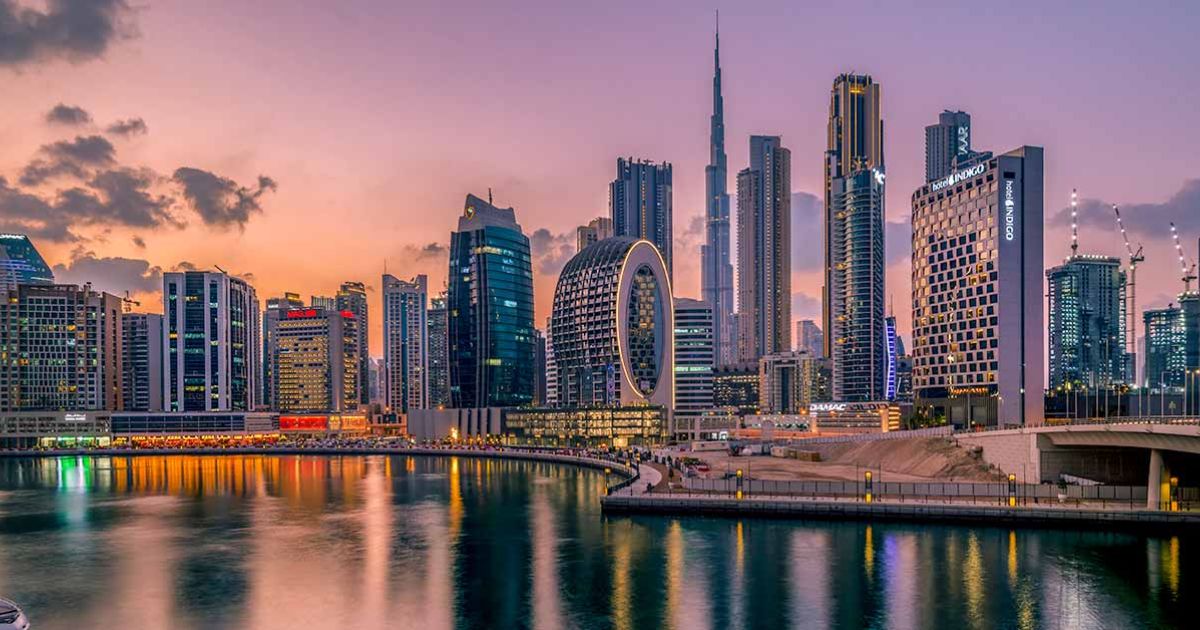
When people think of Abu Dhabi real estate, images of glittering skyscrapers, waterfront penthouses, and grand villas often dominate the imagination. The UAE capital has indeed become a hub for ultra-luxury developments that attract global investors and high-net-worth individuals. But beneath this glamorous surface, a quieter revolution is taking place—affordable housing projects are transforming the market by creating new opportunities for middle-income families, professionals, and first-time buyers.
This movement isn’t just about property—it’s about inclusivity, urban growth, and economic sustainability. Abu Dhabi is balancing its high-end developments with community-driven projects that are designed to be accessible, livable, and future-ready. In this article, we’ll explore the rise of affordable housing in Abu Dhabi, why it matters, and how it’s shaping the future of the emirate’s property scene.
1. The Growing Demand for Affordable Housing
Over the past decade, the real estate sector in Abu Dhabi has witnessed significant diversification. While luxury developments still play a leading role, there’s been an undeniable shift in demand toward affordable and mid-market housing.
Several factors are driving this change:
- Rising population of professionals and expatriates – Abu Dhabi continues to attract a large workforce across industries such as oil and gas, healthcare, education, technology, and government services. Many of these individuals and families are seeking long-term housing options within a reasonable budget.
- Changing investor mindset – Not all buyers are looking for a penthouse or luxury villa. Investors are increasingly eyeing affordable housing as a way to access steady rental yields, particularly since middle-income housing tends to have high occupancy rates.
- Government initiatives – Programs such as the Abu Dhabi Economic Vision 2030 emphasize inclusive growth. Making housing accessible is a critical part of achieving this.
- Post-pandemic shift in priorities – The COVID-19 pandemic reshaped how people view homes. More families now prioritize affordability, community, and comfort over luxury finishes.
This demand is paving the way for a new era of property inclusivity.
2. Government Initiatives and Regulations Supporting Affordable Housing
One of the key reasons Abu Dhabi is successfully balancing luxury with affordability is the proactive role of the government. Various policies and incentives have been introduced to make housing more accessible and sustainable.
- Housing Programs for Nationals: Emirati citizens benefit from government-backed housing initiatives such as the Sheikh Zayed Housing Program, which provides funding support and grants.
- Incentives for Developers: Developers are encouraged to dedicate portions of their projects to affordable housing, often through zoning regulations and financing incentives.
- Flexible Ownership Options: With the introduction of long-term visas and eased property ownership rules for foreigners, more expatriates now see buying affordable housing as a realistic option.
- Infrastructure Development: Government-led projects in transport, education, and healthcare ensure that affordable housing is not built in isolation but connected to the wider city network.
This top-down support creates a fertile environment for sustainable and equitable housing growth.
3. Key Locations for Affordable Housing in Abu Dhabi
Affordable housing isn’t about sacrificing quality—it’s about smart location choices and community-centric planning. Some of the most promising areas for affordable and mid-market housing include:
- Khalifa City & Mohammed Bin Zayed City
Popular among families for their spacious homes, proximity to schools, and relatively lower prices compared to the city center. - Al Reef
One of Abu Dhabi’s most successful community developments offering villas and apartments at competitive prices, making it a favorite for middle-income buyers. - Al Ghadeer
Located near the Dubai-Abu Dhabi border, this community is ideal for commuters who work in either city and seek affordability. - Reem Island (select projects)
While Reem Island is known for upscale towers, certain developments cater to mid-market buyers with smaller units and competitive pricing. - Baniyas and Al Shamkha
Emerging areas with master-planned communities that focus on affordability, infrastructure, and family-friendly amenities.
These areas demonstrate that affordability doesn’t mean compromising on lifestyle.
4. Developer Strategies for Affordable Housing
Leading developers in Abu Dhabi have recognized the opportunity in this market. Instead of only competing in the luxury space, they are now crafting projects that strike the right balance between price, quality, and convenience.
- Smaller unit sizes – Developers are offering studios and one-bedroom apartments designed for singles and young professionals, alongside larger affordable villas for families.
- Community amenities – Affordable doesn’t mean basic. Many projects include parks, fitness centers, community halls, and retail spaces.
- Sustainable designs – To reduce long-term costs, affordable housing projects are increasingly incorporating energy-efficient features such as solar panels, water recycling systems, and smart home technologies.
- Flexible payment plans – Developers now provide post-handover payment options, making ownership more feasible for middle-income buyers.
This evolving approach is ensuring that affordable projects remain attractive, modern, and competitive.
5. The Role of Affordable Housing in Social and Economic Growth
Affordable housing is not just a real estate trend—it is a social necessity. By creating pathways for families to own homes, Abu Dhabi is strengthening its social fabric and economic resilience.
- Encouraging long-term residency – Affordable housing gives expatriates a reason to commit to Abu Dhabi, boosting community stability.
- Supporting workforce retention – When professionals can live near workplaces at reasonable costs, employee satisfaction and retention rates rise.
- Fostering inclusive communities – Affordable housing ensures that Abu Dhabi’s neighborhoods aren’t divided solely by income, but are diverse and dynamic.
- Boosting rental market stability – With high demand in the mid-market rental sector, affordable properties deliver steady income for investors.
In essence, affordable housing is the backbone of a sustainable city.
6. Case Studies: Successful Affordable Housing Projects
Several projects already stand out as examples of how affordable housing can be both profitable and impactful:
- Al Reef Community: Known for its well-designed villas and apartments at accessible prices, this development has consistently maintained high occupancy and strong resale values.
- Al Ghadeer by Aldar Properties: Positioned between Abu Dhabi and Dubai, it offers modern, affordable living with excellent connectivity, making it popular with commuters.
- Baniyas & Al Shamkha Developments: With schools, parks, and retail integrated into the design, these areas are becoming increasingly attractive for families.
These success stories prove that affordability and quality can go hand in hand.
7. Challenges in Affordable Housing
Despite the progress, certain challenges remain:
- Land costs in prime areas still make affordability a challenge for developers.
- Rising construction costs can impact pricing.
- Balancing affordability with quality requires careful planning to avoid long-term issues.
- Market perception sometimes wrongly equates affordability with lower prestige.
Addressing these challenges requires innovative financing, sustainable design solutions, and continued government support.
8. The Future Outlook of Affordable Housing in Abu Dhabi
Looking ahead, the future for affordable housing in Abu Dhabi is extremely promising.
- Demand will continue to rise as the population grows and diversifies.
- Developers are likely to integrate smart technology and green building practices even in affordable projects.
- Government strategies such as Vision 2030 ensure that inclusivity remains a long-term priority.
- Investors will increasingly see mid-market housing as a stable, low-risk opportunity.
In short, affordable housing will play a defining role in shaping Abu Dhabi’s property market.
Conclusion: Building a Home for Everyone
Abu Dhabi is proving that real estate is not only about luxury towers and beachfront villas—it’s also about creating opportunities for everyone to belong. Affordable housing projects are giving first-time buyers and middle-income families the chance to step onto the property ladder, while also providing investors with stable, high-demand assets.
With government backing, developer innovation, and strong market demand, the city is on its way to becoming a model for inclusive urban living. In the years ahead, affordable housing won’t just be an option—it will be a cornerstone of Abu Dhabi’s real estate identity.