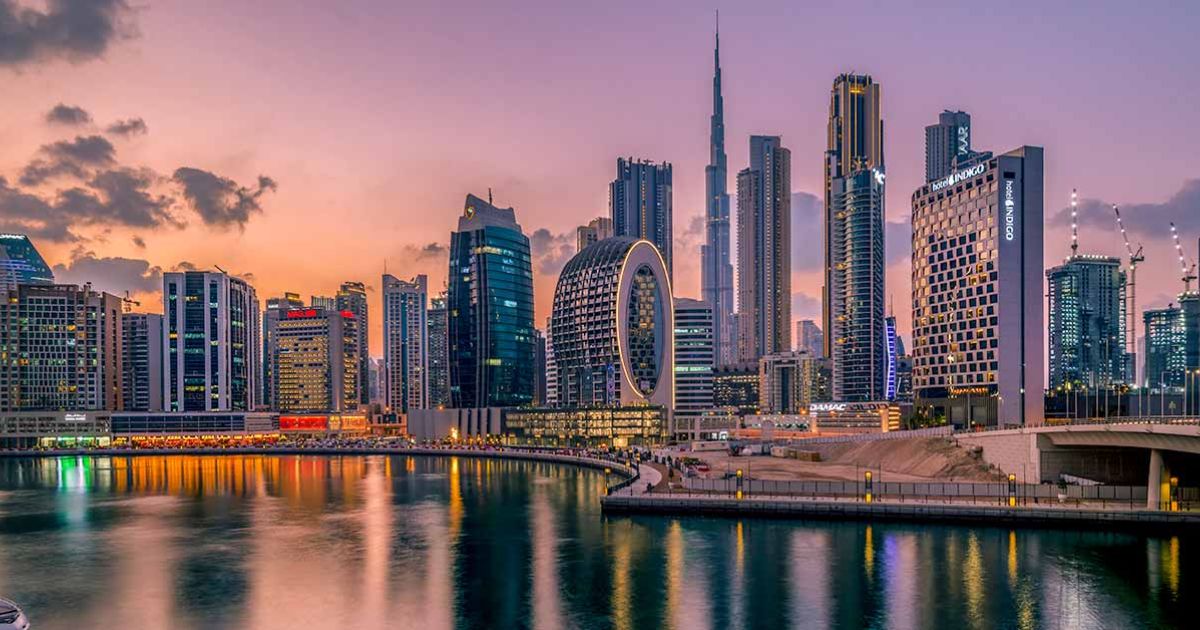
Abu Dhabi, the capital of the UAE, is no longer just a regional financial hub—it has become a global contender in real estate investment. With its carefully planned infrastructure, forward-looking leadership, and balance between modernity and cultural authenticity, the city has positioned itself as a real estate destination unlike any other.
For years, Dubai dominated headlines as the glittering property hotspot of the Gulf. But quietly and steadily, Abu Dhabi has been building its own reputation—not through sheer spectacle, but through strategic, sustainable, and investor-friendly development. Today, buyers and investors alike see Abu Dhabi as a secure market with steady growth, attracting families, expatriates, and international corporations.
In this article, we’ll explore the forces shaping Abu Dhabi’s property market. From luxury developments and affordable housing to sustainability and government incentives, we’ll uncover why the emirate is emerging as one of the world’s most reliable real estate opportunities.
1. Luxury Meets Liveability
When people think of Abu Dhabi real estate, they often picture ultra-luxury villas, high-rise towers, and stunning waterfronts—and they wouldn’t be wrong. Developments such as Saadiyat Island’s beachfront villas, Al Reem Island’s skyline-defining apartments, and Yas Island’s entertainment-linked residences showcase world-class architectural brilliance.
But Abu Dhabi doesn’t sell luxury just for the sake of prestige—it integrates long-term liveability into its projects. Luxury here doesn’t mean isolation. Instead, it means:
- Integrated Communities: Many of the city’s high-end neighborhoods include schools, clinics, parks, supermarkets, and even cultural venues, ensuring residents have everything they need within minutes.
- Family-Friendly Living: Unlike some global cities where luxury living caters primarily to singles or short-term investors, Abu Dhabi balances comfort with family-oriented facilities, from playgrounds to international schools.
- Cultural Connection: Developments on Saadiyat Island, for instance, sit alongside the Louvre Abu Dhabi and upcoming Guggenheim Abu Dhabi, blending high culture with high living.
This unique formula—luxury with practicality—makes Abu Dhabi especially attractive to expatriate families who want both modern amenities and community-driven lifestyles. For global investors, it means long-term value because properties are not only beautiful but also sustainable in demand.
2. Affordable Housing on the Rise
Not all property in Abu Dhabi is about palatial villas and sky-high penthouses. A major shift in recent years has been the emergence of affordable housing projects.
Areas such as Khalifa City, Al Ghadeer, and Baniyas have seen developments designed to attract first-time buyers and middle-income families. These communities emphasize affordability without compromising on quality.
Why is this important?
- Diversification of the Market: Affordable housing ensures the property sector doesn’t become exclusive to only high-net-worth individuals.
- Long-Term Stability: With more middle-class residents able to own property, Abu Dhabi secures consistent housing demand.
- Sustainability of Growth: By meeting the needs of various income groups, the emirate avoids the pitfalls of speculative “luxury-only” bubbles seen in other markets.
Government-backed financing schemes and attractive mortgage options are also making it easier for young professionals and new families to step onto the property ladder. Affordable housing is not just filling a need—it is creating a new growth engine for the sector.
3. Government Initiatives and Golden Visas
One of the most powerful drivers of Abu Dhabi’s real estate boom has been government policy.
Key Policies Driving Growth:
- Foreign Ownership: Non-UAE nationals can now purchase freehold properties in designated zones, giving international investors a clear pathway to ownership.
- Golden Visas: Long-term residency for property investors has completely changed the game. By linking real estate investment to residency security, Abu Dhabi has created a magnetic incentive for global buyers.
- Exemptions for First-Time Buyers: Reduced transaction fees and taxes for first-time investors encourage more people to enter the market.
The Golden Visa program in particular has boosted confidence. It’s not just about buying a property—it’s about building a life. Investors feel that Abu Dhabi isn’t asking for short-term speculation but rewarding long-term commitment.
This blend of openness and investor protection has positioned the emirate as one of the most secure and transparent real estate environments in the Middle East.
4. Sustainability: The Future of Development
Real estate globally is undergoing a sustainability revolution, and Abu Dhabi is at the forefront.
The city has committed to making sustainability not just a trend but a core development strategy. A shining example is Masdar City, one of the world’s first planned sustainable urban communities. It showcases renewable energy, walkable layouts, and eco-friendly construction methods.
Key Sustainable Practices in Abu Dhabi Real Estate:
- Solar Energy Integration: Many new developments use solar panels to reduce reliance on fossil fuels.
- Smart Waste Management: Automated systems help reduce landfill contributions.
- Efficient Cooling Systems: Given the UAE’s climate, cooling is a major energy drain. New buildings incorporate AI-driven cooling to cut energy use.
- Green Building Certifications: Developers are now aiming for LEED (Leadership in Energy and Environmental Design) and Estidama Pearl Ratings to attract eco-conscious buyers.
This isn’t just about protecting the environment—it’s also a long-term value proposition. Sustainable buildings are cheaper to run, more attractive to global tenants, and aligned with the UAE’s Net Zero by 2050 Vision.
5. Technology and Smart Real Estate
Technology is rewriting the rules of real estate, and Abu Dhabi is embracing it with open arms.
- Virtual Property Tours: Investors overseas can now explore apartments and villas in real time without boarding a plane.
- Blockchain Contracts: Transactions are becoming faster and more transparent, cutting down on bureaucracy.
- IoT Smart Homes: Properties equipped with smart thermostats, automated lighting, voice-controlled appliances, and AI-driven security systems are now the norm in high-end projects.
- Community Apps: Residents can pay service fees, book amenities, or log maintenance requests through dedicated apps, making property management seamless.
This shift to Prop Tech is especially appealing to the younger generation of buyers, who value convenience and innovation. It also reassures investors by making property ownership more transparent and efficient.
6. Challenges Facing the Market
While the future looks bright, Abu Dhabi’s real estate market is not without hurdles:
- Competition with Dubai: Dubai is a global brand for real estate, and Abu Dhabi must carve its own identity. Its focus on sustainability, affordability, and cultural integration is one way it is differentiating itself.
- Global Uncertainty: Oil price fluctuations, geopolitical tensions, and global recessions can affect investor sentiment and spending power.
- Supply vs. Demand: The challenge of oversupply is always looming. Developers must balance ambition with realistic market absorption.
7. Why Abu Dhabi Remains a Safe Bet
So, why are investors increasingly turning their eyes toward Abu Dhabi?
- Political and Economic Stability: Unlike many regions, the UAE offers consistent leadership and a robust economic outlook.
- World-Class Infrastructure: From airports and highways to cultural districts and leisure hubs, Abu Dhabi invests heavily in connectivity.
- High ROI: Rental yields in Abu Dhabi often outperform many international markets, making it attractive for long-term investors.
- Family-Centric Lifestyle: Excellent schools, healthcare, and cultural attractions make the emirate ideal for families.
- Transparent Regulations: The government has built strong frameworks to ensure fair and transparent property transactions.
For global investors, these factors combine to make Abu Dhabi one of the safest real estate bets in the world—profitable yet stable, innovative yet secure.
Conclusion: A Market Built for the Future
Abu Dhabi’s real estate journey is one of balance—between luxury and affordability, innovation and tradition, sustainability and growth. It is not merely about constructing towers or villas but about crafting communities that last, welcoming investors who seek both profit and permanence.
With strong government backing, forward-thinking sustainability initiatives, affordable housing projects, and advanced technology, the emirate is setting itself apart as a real estate market of the future.
For anyone looking to invest, Abu Dhabi is no longer an alternative to Dubai—it is a global destination in its own right, offering security, growth, and cultural richness in every square foot of property.
The future of Abu Dhabi’s real estate isn’t just being built—it’s being carefully designed, brick by brick, into a city that promises both prosperity and liveability for generations to come.