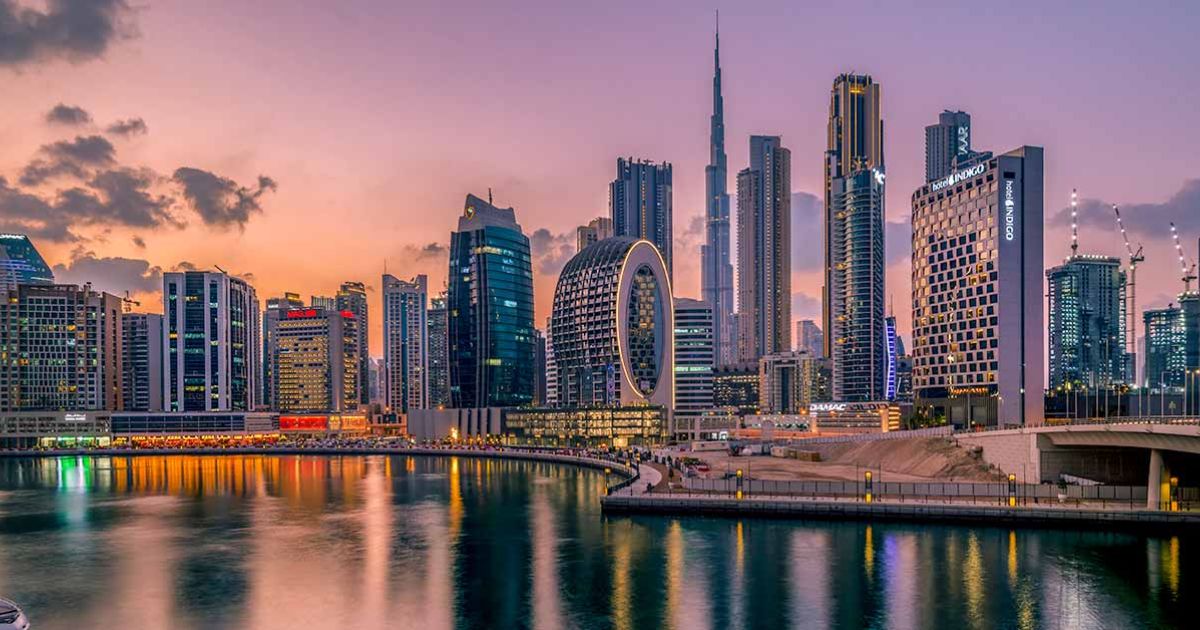
Investing in Abu Dhabi’s property market increasingly means choosing between two of its crown jewels: Yas Island — the emirate’s entertainment and leisure engine — and Saadiyat Island — the cultural, beachfront enclave aimed at luxury and long-term capital appreciation. Both islands are stellar addresses, but they serve different investor profiles, deliver different cash flows, and carry different upside and downside risks.
This 3,000-word guide compares Yas and Saadiyat across every investment dimension you need: location & masterplan, demand drivers, property types, price levels, rental yields, liquidity, future catalysts, risks, and practical buy/hold/exit strategies — with local market evidence and seller/buyer considerations to help you choose.
1. Quick snapshot: what each island sells to the investor
- Yas Island — A mass-appeal, tourism + family lifestyle destination anchored by theme parks, a marina, a mall and hotels. It’s geared to rental demand from short-lets, families and holiday visitors, and typically shows stronger rental yields among luxury apartment submarkets. Yas benefits from large-scale projects and ongoing entertainment announcements that spike near-term interest.
- Saadiyat Island — Abu Dhabi’s cultural and high-end residential showcase, built around museums (Louvre, upcoming Guggenheim, Zayed National Museum), pristine beaches and premier branded residences. Saadiyat targets ultra-luxury buyers and long-term capital appreciation; yields tend to be lower but price per sqm and capital growth potential are higher due to scarcity and prestige.
2. Location & masterplans — foundations of value
Yas Island: scale, attractions and infrastructure
Yas is a purpose-built entertainment island with Ferrari World, Yas Marina Circuit (F1), Yas Mall, Warner Bros., waterparks, marinas and multiple hotels. Developers (notably Aldar and partners) have planned residential precincts such as Ansam, Mayan, Water’s Edge, Acres and West Yas, which combine villas and apartments around leisure assets and family infrastructure. The island was designed to host millions of visitors annually, which underpins demand for short-term rentals and serviced apartments.
Saadiyat Island: culture, beaches and scarcity
Saadiyat’s masterplan centers on the Saadiyat Cultural District — Louvre Abu Dhabi, Guggenheim Abu Dhabi (planned), Zayed National Museum (imminent), plus luxury residential nodes like Saadiyat Grove, Mamsha al Saadiyat, and the Louvre Residences. Beachfront land here is limited and curated; Aldar’s positioning emphasizes craftsmanship, museum adjacency, and sustainability, building a scarcity premium that supports higher asking prices and long-term capital appreciation.
3. Demand drivers: who’s renting & buying?
Yas Island demand profile
- Tourists & short-stay visitors: theme parks and events (concerts, F1) drive staycations and holiday rentals.
- Families: large family-sized townhouses and villas attract UAE residents and expatriates with children due to nearby schools and family amenities.
- Middle/upper-middle investors: off-plan buyers seeking yield or mid-term capital gains.
Yas’ combination of leisure demand + family residency creates a balanced occupancy profile across seasons, with peaks around school holidays and event dates.
Saadiyat Island demand profile
- Wealthy end-users and UHNW buyers: art collectors, executives and international families seeking beachfront prestige and proximity to cultural institutions.
- Long-term capital investors: those prioritizing capital preservation and appreciation over rental yield.
- Upscale short-lets: luxury serviced residences attract affluent tourists, but inventory is more limited and premium-priced.
4. Property types & buyer use cases
Yas Island
- Villas & townhouses (family living, off-plan pockets like Acres): buyers seeking space and family amenities.
- Mid-to-high-end apartments (Ansam, Mayan, Water’s Edge): popular with professionals and investors targeting rental yields.
- Serviced apartments & hotel-launched residences: aimed at tourism demand and short-stays.
Saadiyat Island
- Luxury beachfront villas & mansions (limited supply): owner-occupiers and UHNW investors.
- Prime apartments & branded residences (Louvre Residences, Nobu, Mamsha Palm): high price-per-sqm, high service levels, marketed to buyers seeking lifestyle and capital preservation.
- Smaller townhouses & gated communities in selected pockets for affluent families but at premium pricing.
5. Price levels & rental yields — evidence from market reports
Price ranges (indicative, market averages 2024–2025):
- Yas Island: apartment prices typically come in lower per sq.ft than Saadiyat; some market sources show apartment prices ranging approximately AED 1,000–1,650/sq.ft and villa ranges that vary by project. Yas has recorded strong ROI on luxury apartments (~7% in recent reports), helped by tourism announcements.
- Saadiyat Island: premium prices — some luxury apartments and branded residences command AED 2,000–3,000+/sq.ft in prime spots; luxury villas command even higher per sqm prices. Saadiyat has seen price and rental gains driven by cultural district demand.
Rental yields (broad indicators):
- Yas Island: attractive yields for luxury apartments — market reports cite yields in higher single digits for some segments (examples around 7%+ ROI reported in H1 2025). This is driven by robust tourism, serviced apartments and family rental demand.
- Saadiyat Island: yields tend to be lower (often mid-single digits) because of higher entry prices and a buyer base focused on capital growth and lifestyle rather than yield. Saadiyat’s scarcity and prestige are the primary return drivers.
Load-bearing market point: Recent Abu Dhabi market reporting highlights strong growth across the emirate in 2025 and specifically notes Yas Island delivering high ROI among luxury apartment sales, while Saadiyat records strong price gains due to premium demand and cultural district influence. These are the two most important factual anchors for investors.
6. Liquidity & resale market
- Yas Island: higher transactional volume due to broader price bands and greater new-launch activity. Off-plan projects and smaller apartment sizes improve market liquidity for investors who may need to sell within a few years.
- Saadiyat Island: lower turnover in ultra-luxury segments; lots of buy-and-hold owner-occupiers and UHNW buyers who value exclusivity. This makes Saadiyat less liquid but more resilient in downturns due to buyer profiles.
7. Future catalysts & timing considerations
Yas Island catalysts
- New tourism announcements (theme parks, hotels, Disneyland/other major attractions rumored or confirmed) directly raise demand and yields for short-lets and apartments. Market reports in 2025 linked Yas Island gains to large entertainment developments.
- Event calendar (F1, concerts) keeps occupancy cyclical but strong during peaks.
Timing implication: Yas can offer quicker yield uplift when entertainment announcements land, making it attractive for yield-focused investors or medium-term flips near events.
Saadiyat Island catalysts
- Cultural district completions (Zayed National Museum opening, Guggenheim timelines, continued museum activity) will underpin long-term capital appreciation and international visibility. The Zayed National Museum opening is a major cultural catalyst slated for late 2025/2026.
- Continued arrival of branded residences (Nobu, Louvre Residences) sustains the island’s cachet.
Timing implication: Saadiyat is a long-game asset — better for buy-and-hold capital growth tied to cultural infrastructure rollouts.
8. Tenant profiles & management realities
- Yas Island tenants: families (long-term leases), holidaymakers (short-term), project staff. Management needs to handle mixed portfolio types (hotel servicers + long-term property managers). Investors often use professional management for serviced units to capture holiday rental premiums.
- Saadiyat Island tenants: high-net-worth individuals, diplomats, executives. Management standards are premium: concierge, security, facilities management aligning with luxury branding. Serviced residences require higher OPEX but justify higher nightly rates or premium rents.
9. Costs of ownership: service charges, taxes & running costs
- Service charges on Saadiyat’s branded luxury towers are typically higher than on Yas Island mass-market developments because of sold-in service levels (spa, beach access, private clubs). This reduces net yields and should be modeled carefully.
- Utilities & maintenance: Villas and beachfront properties incur higher upkeep; investors must budget for landscaping, pool maintenance, homeowner association fees, and seasonal wear (beachfront salt corrosion). Yas family communities may have moderate service fees; tourism-facing serviced units may have variable management fees tied to occupancy.
10. Risk factors & scenario planning
Market & macro risk
- Macro slowdown or lower tourism receipts would hit Yas more acutely (short-let demand, occupancy dips).
- Luxury market correction could dent Saadiyat values, but history shows prime beachfront scarcity cushions long-term shocks. Recent Abu Dhabi data shows resilient growth in H1 2025 across emirate markets, but cycles remain possible.
Execution risk
- Developer delays or changes in masterplans affect both islands; due diligence on completion schedules and developer balance sheets is essential.
Regulatory & policy risks
- Residency/visa rules and property ownership regulations can alter demand (e.g., Golden Visa thresholds, mortgage availability). Current UAE policy incentives (Golden Visa) have improved investor appetite; verify latest visa/ownership thresholds when planning purchases.
11. Investment strategies: pick by goal
Strategy A — Yield & shorter horizon (3–7 years): Yas Island
- Buy mid/high-end apartments or serviced units close to Yas Mall, Yas Marina or near major event venues.
- Use professional short-let managers for holiday rentals; capture event season premiums.
- Exit options: sell after a tourism catalyst (major attraction announcement or completion) or on market peak.
Why: Yas historically shows strong ROI on luxury apartment sales and benefits rapidly from tourism announcements.
Strategy B — Capital appreciation & long horizon (7–15+ years): Saadiyat Island
- Acquire prime beachfront apartments, branded residences or limited villas.
- Focus on long-term hold, expecting capital growth as cultural district fully matures and global prestige increases.
- Consider ultra-long hold for generational legacy or institutional investors.
Why: Saadiyat’s scarcity, museum adjacency and luxury branding favour appreciation over high yields.
Strategy C — Balanced portfolio: Both islands
- Combine a yield asset in Yas with a prestige asset in Saadiyat to balance cash flow and long-term growth. This hedges tourism seasonality against cultural scarcity.
12. Financing & tax considerations
- UAE real estate purchases commonly use mortgages for residents and expat financing via local banks; LTV ratios and interest rates change with macro conditions. Check current mortgage rules, loan-to-value, and eligibility for non-residents.
- No property income tax in UAE, improving net returns versus many global markets — but factor in maintenance, service charges and mortgage interest costs in ROI calculations. Confirm the latest fiscal regulations with local advisors.
13. Due diligence checklist (practical)
Before you buy in either island, complete the following:
- Developer track record — delivery history & financials.
- Title & ownership type — freehold area, strata rules.
- Service charge history & projection — request a 3–5 year breakdown.
- Projected rental yields & comparable transactions — obtain agency valuations and recent sales.
- Construction completion timelines (for off-plan) & penalty clauses.
- Management & rental agency contracts (if using short-lets).
- Exit plan — realistic resale timeline and marketability factors.
- Visa/residency implications — confirm Golden Visa eligibility thresholds if that’s part of the strategy.
14. Case vignettes (realistic investor stories)
Investor 1 — The Yield Seeker (Yas)
A UAE-based investor buys a 2-bed apartment in a well-located Ansam tower off-plan, uses a reputable short-let manager and captures above-market nightly rates during school holidays and F1 weekends. After a 4-year hold through a tourism expansion, he sells at a profit with cumulative rental yield ~7% p.a. (net), matching recent island ROI reports.
Investor 2 — The Legacy Buyer (Saadiyat)
An international family purchases a 3-bed apartment in a branded residence near Louvre Abu Dhabi for lifestyle reasons and long-term diversification. They accept lower annual yield because the mall, cultural district and beachfront scarcity promise superior capital growth over 10+ years as more museums come online.
15. Which island is “better”? — a decision framework
Answer these questions to choose:
- What is your primary goal? (cash flow vs capital growth)
- Cash flow → Yas Island.
- Capital appreciation and prestige → Saadiyat Island.
- What is your investment horizon?
- Short to medium (3–7 years) → Yas.
- Long term (7–15+ years) → Saadiyat.
- How hands-on will you be?
- If managing short-lets and seasonal rentals appeals → Yas (operationally active).
- If you prefer passive, luxury asset ownership with concierge management → Saadiyat.
- What risk tolerance do you have?
- Higher sensitivity to market cycles and event dependency → Yas.
- More tolerant of lower current yield for higher long-term certainty → Saadiyat.
- Do you value prestige & cultural adjacency?
- Yes → Saadiyat. No → Yas.
16. Practical tips for buyers
- Visit both islands during and outside peak tourist seasons to experience real occupancy and lifestyle flow.
- Talk to on-island property managers and rental agents for realistic yield assumptions.
- Ask developers for historical service-charge data and confirm beach access or museum adjacency for Saadiyat units.
- Model worst, base and best cases — include vacancy, service charges, maintenance, and management fees.
- Factor in future projects (museum openings or theme park announcements) as catalysts but avoid speculative buys purely on rumors. Use publicly announced timelines and planning approvals as basis.
17. Final comparative summary (quick reference)
| Factor | Yas Island | Saadiyat Island |
|---|---|---|
| Primary appeal | Tourism, entertainment, family living | Culture, beachfront luxury, prestige |
| Best for | Yield seekers, short-let operators, families | UHNW buyers, long-term capital growth |
| Typical yields | Higher (mid-to-high single digits in some segments) | Lower yields, higher price per sq.ft |
| Liquidity | Generally better for mainstream segments | Lower liquidity in prime ultra-luxury |
| Costs | Moderate service charges (varies) | Higher service charges & OPEX |
| Catalyst speed | Faster (events & tourism) | Slower but structurally transformative (museums) |
| Risk profile | Event/tourism sensitivity | Price premium but scarcity buffer |
(Sources: market reports and developer pages summarized)
18. Closing recommendation
Both Yas and Saadiyat are excellent investments — but your choice must match your objectives:
- If you want strong rental income, operational upside from tourism, and quicker liquidity, Yas Island is generally the better choice. Market reports in 2025 underline Yas’ strong ROI among luxury apartments.
- If you prioritize prestige, scarcity, and long-term capital appreciation tied to cultural positioning, Saadiyat Island is the superior buy — provided you accept lower immediate yields and higher holding costs. Ongoing museum openings and branded residences validate this strategic position.
Many savvy investors split capital across both islands — capturing Yas’ yield while owning a Saadiyat trophy asset for legacy value. That diversified approach mitigates seasonality and combines cash flow with capital preservation.