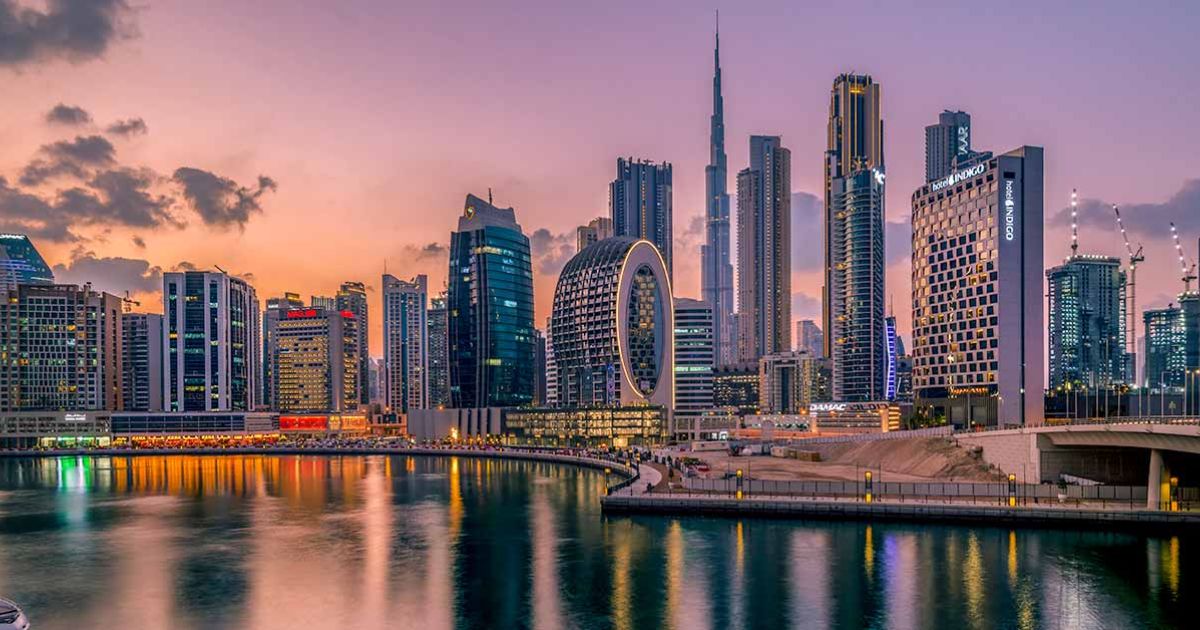
Abu Dhabi, the political and cultural heart of the UAE, has long been known for its glittering skyline, luxurious waterfronts, and groundbreaking architectural marvels. Yet, beneath the luxury lies a bold ambition: to lead the region in sustainable real estate development.
In recent years, sustainability has evolved from a corporate buzzword into a core pillar of urban planning and real estate growth. With the UAE committed to achieving Net Zero by 2050, Abu Dhabi has placed itself at the forefront of innovation—embracing energy-efficient buildings, eco-friendly communities, and green infrastructure.
This transformation is not just about the environment. It is about economic resilience, global competitiveness, and lifestyle evolution. Buyers, renters, and investors are no longer content with just luxury—they seek sustainable living that balances comfort with conscience.
This article will explore in depth the future of sustainable real estate development in Abu Dhabi, highlighting the forces shaping the market, the innovations already in play, and the opportunities awaiting global investors.
1. Why Sustainability Matters in Abu Dhabi’s Real Estate
1.1 Climate & Environmental Responsibility
- Abu Dhabi is situated in a desert climate, making energy and water efficiency critical.
- Rising global awareness of climate change has placed pressure on developers to reduce environmental footprints.
- Eco-conscious buyers prefer homes that minimize utility bills while protecting natural resources.
1.2 Economic Diversification
- Oil dependency is gradually giving way to real estate, tourism, and green industries.
- Sustainable property development strengthens Abu Dhabi’s brand as a future-proof investment hub.
1.3 Investor Appeal
- ESG (Environmental, Social, Governance) standards now shape global investment decisions.
- Properties in eco-friendly communities attract higher demand and premium value.
2. Green Building Standards in Abu Dhabi
Abu Dhabi is a pioneer in creating regulatory frameworks for sustainability in construction.
- Estidama Pearl Rating System: Unique to Abu Dhabi, this system ensures new buildings meet rigorous eco-friendly benchmarks in energy, water, and materials.
- LEED Certification: Many high-end commercial and residential projects pursue this globally recognized green building standard.
- Net-Zero Initiatives: By 2050, all new developments are expected to adopt carbon-neutral construction and operation methods.
These frameworks ensure that sustainability is built into the DNA of Abu Dhabi’s real estate.
3. Iconic Sustainable Developments in Abu Dhabi
3.1 Masdar City
- Often called the world’s first planned sustainable city, Masdar is a living example of Abu Dhabi’s green vision.
- Features include solar power grids, driverless electric vehicles, and passive cooling designs.
- Real estate demand here is growing due to its reputation as a hub for innovation.
3.2 Al Reem Island & Al Raha Beach
- These master-planned communities integrate green landscapes, water recycling, and energy-efficient buildings.
- Investors are attracted by their mix of luxury and sustainability.
3.3 Saadiyat Island
- Known for its cultural landmarks, it also features eco-friendly designs such as solar lighting, green roofs, and natural ventilation systems.
4. Technology Driving Sustainable Real Estate
4.1 Smart Homes
- AI-driven systems optimize cooling, lighting, and energy consumption.
- Residents can monitor water and electricity usage in real time.
4.2 Renewable Energy Integration
- Solar panels, wind turbines, and energy storage are becoming standard in new projects.
- Some communities feed excess energy back into the grid, reducing costs.
4.3 3D Printing & Green Materials
- Abu Dhabi developers are experimenting with 3D-printed concrete and recycled construction materials.
- These methods reduce waste and carbon emissions.
5. Sustainable Communities: Redefining Lifestyle
5.1 Walkable Neighborhoods
- Developments prioritize pedestrian-friendly layouts with shaded pathways and cycling tracks.
- Reduces dependence on cars while promoting healthy lifestyles.
5.2 Integrated Green Spaces
- Parks, urban farms, and rooftop gardens are central to community design.
- Greenery improves air quality and reduces the urban heat effect.
5.3 Water Conservation
- Greywater recycling and smart irrigation ensure landscaping thrives without excessive waste.
- Innovative desalination projects complement water management efforts.
6. Cultural Heritage Meets Sustainability
Abu Dhabi’s approach blends modern green design with heritage preservation.
- Traditional Arabian architecture is reinterpreted to reduce energy use (e.g., wind towers for natural ventilation).
- Cultural landmarks like Qasr Al Hosn inspire eco-conscious developments rooted in Emirati identity.
This blend of old and new makes Abu Dhabi’s real estate unique: sustainable yet culturally authentic.
7. Investor Benefits of Sustainable Real Estate
7.1 Higher ROI
- Sustainable properties often have lower operational costs, making them more attractive to tenants.
- Premium pricing reflects growing global demand for eco-conscious living.
7.2 Long-Term Stability
- As global regulations tighten, green-certified properties maintain value better.
- Sustainability reduces the risk of obsolescence.
7.3 Rental Demand
- Expat professionals and global citizens increasingly seek eco-friendly accommodations.
- Properties in green communities achieve higher occupancy rates.
8. Government Initiatives Powering the Shift
The UAE government plays a central role in ensuring sustainability.
- Net Zero by 2050: A nationwide commitment guiding construction policies.
- Green Building Codes: Mandated compliance for developers.
- Renewable Energy Investments: Abu Dhabi is a leader in solar and nuclear power projects.
This government backing gives investors confidence that sustainability is not a passing trend—it’s permanent policy.
9. Challenges in Sustainable Real Estate
9.1 High Initial Costs
- Green technologies often require greater upfront investment.
- However, long-term savings offset initial expenses.
9.2 Market Awareness
- Some buyers are unaware of the long-term benefits of sustainable homes.
- Education and marketing remain key.
9.3 Balancing Luxury & Sustainability
- Abu Dhabi’s luxury market expects grandeur. Developers must balance lavish design with eco-friendly practices.
10. The Road Ahead: Future of Sustainable Development
10.1 Rise of Net-Zero Communities
- Entire neighborhoods will be designed with zero carbon emissions.
10.2 Integration of AI & Big Data
- Predictive analytics will optimize building maintenance and reduce waste.
10.3 Growth of Green Financing
- Banks are beginning to offer green mortgages and incentives for sustainable properties.
10.4 Eco-Tourism & Hospitality Real Estate
- Hotels and resorts are adopting green building principles to attract eco-conscious travelers.
Conclusion: Abu Dhabi’s Sustainable Real Estate Future
The future of Abu Dhabi’s real estate is green, innovative, and resilient. What was once a desert capital driven by oil is now becoming a global leader in sustainable living. From Masdar City’s futuristic blueprint to Saadiyat’s eco-conscious cultural community, Abu Dhabi demonstrates that sustainability and luxury are not opposites—they are partners shaping a better tomorrow.
For investors, this presents an extraordinary opportunity. Properties in Abu Dhabi are not just assets; they are symbols of progress, responsibility, and global leadership. By aligning with the emirate’s sustainability vision, investors secure not only strong returns but also a role in building a legacy of resilience and innovation.
Abu Dhabi’s message to the world is clear: the real estate of the future belongs to those who build responsibly today.